At some point, the house stops feeling like it used to. It might have been a fall, a surgery, or just a slow accumulation of mornings where the stairs took a little more out of someone than they should. However you got here, you’re looking for a real solution, and a wheelchair platform lift for the home is likely somewhere on the list. This guide covers what separates one type of lift from another, what you’ll realistically spend, how installation works in New York, and how to figure out what actually fits your home before anyone shows up to sell you something.
Platform Lifts 101: Vertical vs. Inclined
There are two types of platform lifts, and they work very differently. Most buyers don’t realize this until they’re already a few conversations deep into the process. Getting clear on the distinction upfront saves a lot of time and makes sure you’re evaluating the right option for your home.
Vertical Platform Lifts
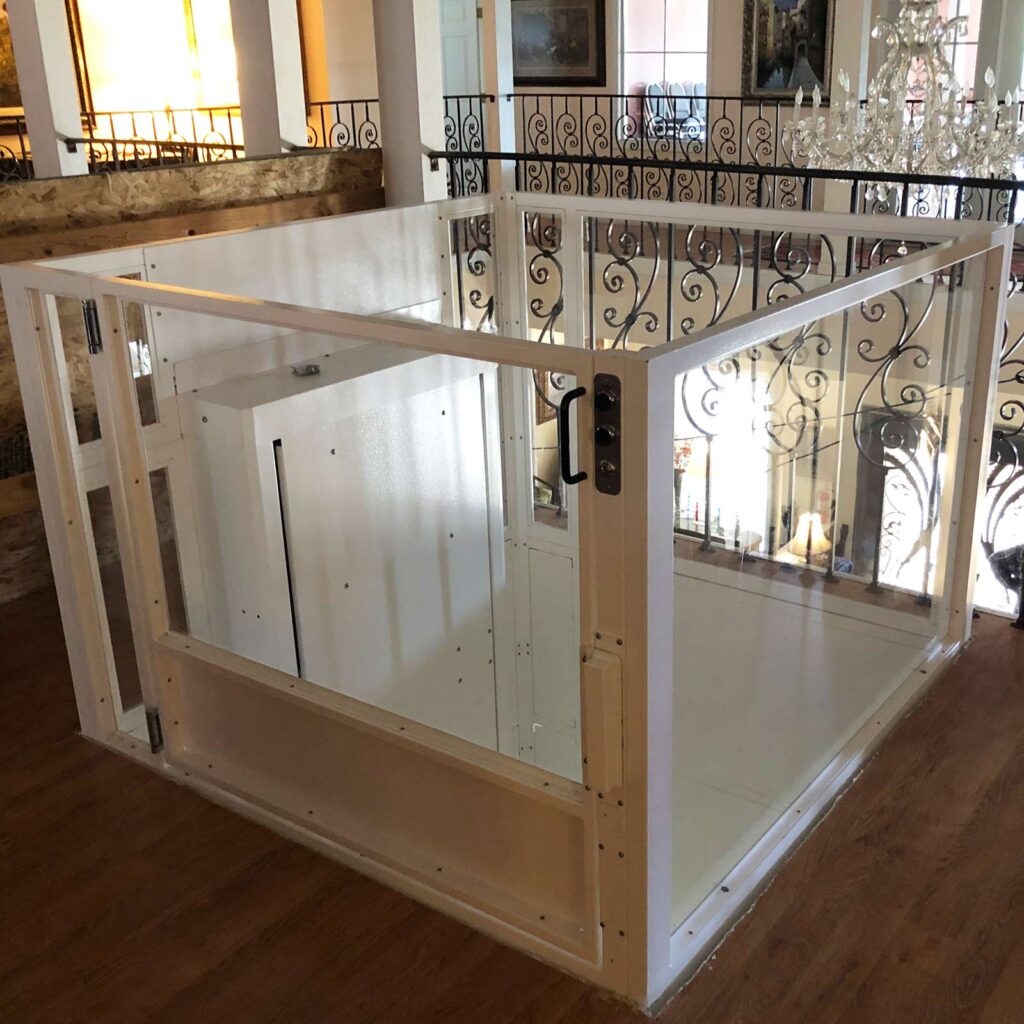
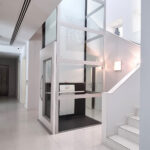
A vertical platform lift rises straight up and down, much like a compact elevator without an enclosed shaft. It’s the most common type for residential use. Models from manufacturers like Bruno and Savaria can travel up to 14 feet, accommodate multiple stops, and work both indoors and outdoors. They require structural installation but don’t involve the major construction of a full home elevator.
Inclined Platform Lifts
An inclined platform lift travels along a stair rail at an angle rather than rising vertically. It’s often used in older commercial buildings and churches where there isn’t space or structural clearance for a vertical installation. Inclined platform lifts also carry a lower weight capacity, typically maxing out around 550 pounds, while vertical platform lifts range from 750 to 880 pounds depending on the model. For most residential applications, a vertical platform lift or a wheelchair ramp is the stronger fit.
Where Can a Platform Lift Be Installed?
One of the things buyers are often surprised by is how flexible platform lift installation actually is. These units aren’t just for front entryways.
Indoor Installations
Inside the home, vertical platform lifts are commonly used to bridge split-level entries, connect a sunken living room to the main floor, or provide access to a raised addition. Depending on the model, they can be positioned against a wall or tucked into a corner to keep the footprint manageable.
Porch and Outdoor Applications
A porch lift for wheelchair users is one of the most frequent installs in Western New York. Front porches on older Upstate NY homes can have five, six, or more steps, and that rise is often too much for a ramp without consuming most of the yard or the entryway. An outdoor-rated vertical platform lift handles that rise cleanly, operates year-round in snow and ice, and sits more naturally against an older home’s exterior than a long aluminum ramp run.
The Garage Step
In many homes across Rochester, Buffalo, and the surrounding region, the step between the garage floor and the home’s interior entry is one of the first places mobility becomes a daily frustration. That rise, often anywhere from 6 to 18 inches, is too small to feel like a big deal until it suddenly is. A platform lift or threshold lift solves it cleanly without modifying the doorframe or building a ramp that blocks the garage.
How Much Does a Wheelchair Platform Lift Cost?
Vertical platform lift cost is the first question most buyers ask, and it deserves a direct answer. Pricing varies based on travel height, indoor versus outdoor use, model selection, and site conditions.
Typical Price Ranges
Most residential wheelchair lifts for the home start around $12,000 installed. Outdoor models and units with longer travel distances run higher. Factors that move the price up include greater rise height, custom platform sizing, automatic doors or swing gates, and any site prep work needed before installation. At Access Lifts & Ramps, the quoted price covers professional installation by our own technicians, not just equipment delivery.
Permits in New York
Most platform lift installations in New York state require a local building permit, and the specifics vary by municipality. The permit application process is something our team handles for customers across our service area, which covers Rochester, Buffalo, Syracuse, Jamestown, and the surrounding communities in Western and Central New York.
What Platform Lift Installation Actually Looks Like
Platform lift installation is less disruptive than most buyers expect. Knowing what’s involved ahead of time removes a lot of the uncertainty.
Timeline
Most installations take one to two days once the equipment arrives. There’s typically a lead time between your initial evaluation and install while the unit is ordered and permit paperwork is processed. Your technician will walk you through the specific timeline at your consultation.
Site Prep
Before installation day, your technician assesses the site for level ground on outdoor units, adequate electrical access (most models run on a standard 120V outlet, though larger units may need 240V), and any structural considerations. If the site needs concrete work or framing adjustments, that gets identified during the evaluation, not discovered on the day of installation.
Safety Features and Weight Capacity
Today’s residential platform lifts are built with several safety layers standard. Most models include non-slip platform surfaces, automatic obstruction sensors that stop the lift if anything is in the way, safety gates or barriers, and constant-pressure controls that halt the lift the moment the button is released. Weight capacities typically range from 750 to 880 pounds depending on the model, which is generally enough for a power wheelchair and a caregiver riding along.
Battery Backup and Power Outages
A common concern: what happens during a power outage? Most current platform lift models include a battery backup that allows the unit to complete a cycle even when power is out. It won’t run indefinitely, but it won’t leave someone stranded mid-travel.
After Installation: Maintenance, Service, and Warranty
One of the concerns buyers don’t always say out loud is a fair one: what happens if something breaks? Most platform lifts don’t require heavy ongoing maintenance, but an annual inspection keeps everything running safely and catches small issues before they become real problems. It’s also worth knowing that Access Lifts services both equipment we install and units installed by other companies, so you’re not stuck tracking down the original dealer if something needs attention down the road. Manufacturer warranties cover parts and labor on most units, and we’ll walk you through exactly what’s included for your model before you commit to anything.
Frequently Asked Questions
How much does a vertical platform lift cost for a home?
Most residential installs start around $12,000. Final pricing depends on travel height, indoor vs. outdoor use, the specific model, and site conditions.
Do I need a permit for a platform lift in New York?
In most New York municipalities, yes. Access Lifts handles the permit application process for customers across our service area.
What’s the difference between a vertical platform lift and an inclined platform lift?
A vertical platform lift rises straight up and down. An inclined platform lift travels along a stair rail at an angle. Vertical lifts are the more common choice for residential use.
Can a platform lift work outdoors through Upstate NY winters?
Yes. Outdoor-rated models are built for year-round conditions, including the snow, ice, and temperature swings common across Western and Central New York.
What if the power goes out while someone is on the lift?
Most current models offer an optional battery backup that allows the lift to complete its current cycle during a power outage, but does not come standard in residential VPLs.
Can a caregiver ride the lift with the person using the wheelchair?
Many models support 750 to 1,000 pounds of capacity, which is typically enough for a wheelchair user and a caregiver together. Your technician will confirm weight specs for the specific model during the evaluation.
Ready to Find the Right Fit for Your Home?
Choosing a wheelchair platform lift for your home is a significant decision, and it’s one that gets a lot easier with a local expert who can actually walk through your space with you. Access Lifts & Ramps has helped hundreds of families across Rochester, Buffalo, Syracuse, and the Finger Lakes find the right solution, from a straightforward life for a deck to a more complex indoor installation, and we handle everything from evaluation to permitting to installation. Reach out to schedule your free in-home consultation and let’s figure out what fits.
Recent Posts
-
 Home Elevator vs. Stairlift vs. Wheelchair Lift: Which One Is Right for You?
 -
 How Much Does a Stairlift Cost in New York?
 -
 A Complete Buyer’s Guide to Wheelchair Platform Lifts for the Home
 -
 What to Expect During an In-Home Accessibility Evaluation in Western and Central New York
 -
 Ramp, Wheelchair, and Stairlift Space Requirements: How Much Room Do You Really Need?